Discover posts

Explore captivating content and diverse perspectives on our Discover page. Uncover fresh ideas and engage in meaningful conversations

---
title: "If I Were Steve Jobs But Named It BANANA - Episode 4: The Banana Ecosystem"
date: "2026-03-22"
author: "alberto"
category: "entertainment"
tags: [banana, bpad, bwatch, banana-tv, ecosystem, satire, tech-humor, fiction]
group: "aroundtheworld"
group_id: 25
lang: "en"
brief: "Episode 4: Banana Inc. expands beyond phones into tablets, watches, streaming, and smart homes — everything starts with B and ends in chaos."
sources: [Imagination, Apple Product History, Tech Industry Lore]
type: "deep-dive"
version: 1
---

🍌 **IF I WERE STEVE JOBS... BUT I NAMED THE COMPANY "BANANA"**

📖 **Episode 4** — The Banana Ecosystem

*A 5-Part Satirical Epic About the Greatest Tech Company That Never Was*

---

### 💻 Chapter 1: The bPad — A Tablet Named After Padding

January 27, 2010. Steve Jobs stood on stage once again, wearing the same black turtleneck he had seemingly been born in, and unveiled Banana Inc.’s next revolution.

"We have one more thing to show you today," he said, reaching behind the podium and pulling out a thin, elegant slab of glass and aluminum. "We call it... the bPad."

The audience applauded. Then they processed the name. Then they applauded again, but with audibly more laughter mixed in.

The name "bPad" was problematic in ways that even "bPhone" hadn’t been. Within minutes of the announcement, Twitter erupted. The hashtag #bpad trended worldwide. Comedians didn’t even need to write jokes — the name WAS the joke. Late-night hosts competed to see who could say "bPad" with the straightest face. Jimmy Fallon lasted 0.4 seconds. Conan O’Brien managed 1.2 seconds. David Letterman didn’t even try.

"Are they serious?" asked a Wall Street analyst on CNBC. "They named a tablet the bPad? What’s next, the bTampon?"

Jobs had anticipated the reaction. He had personally rejected over 200 alternative names, including bSlate, bTab, bBook, bScreen, and the surprisingly popular internal suggestion, bNana (which was vetoed because "we’re not THAT on the nose". He chose bPad because he believed, correctly, that once people held the device in their hands, the name would become irrelevant.

"The bPad is not a product name," he told his marketing team. "It’s a dare. We’re daring the world to take us seriously despite the name. And when they do — and they WILL — we’ll have proven that nothing matters except the product."

He was right. The bPad sold 300,000 units on its first day. By the end of 2010, 14.8 million bPads had been sold. It created an entire new product category. Business executives who wouldn’t have been caught dead saying "bPhone" in a boardroom were now giving presentations on their bPads. Doctors were reviewing X-rays on bPads. Airlines were replacing flight manuals with bPads. The US military ordered 18,000 bPads for field operations, leading to the unforgettable Pentagon procurement document titled "Acquisition of Banana bPad Devices for Tactical Operations."

A retired four-star general was once photographed reviewing classified intelligence briefings on a bPad in the Situation Room. When asked about it, he said, "Son, I’ve commanded operations across seven continents. I’ve led troops into combat. I can handle telling my aide to bring me my bPad."

---

### ⌚ Chapter 2: The bWatch — Time Is Yellow

In September 2014, Tim Cook — who had taken over as CEO after Jobs’ passing in 2011 — unveiled the bWatch. Where Jobs might have presented it with spiritual intensity, Cook went for understated California enthusiasm.

"We believe the bWatch will redefine what people expect from a wearable device," Cook said, his arm extended to show the sleek timepiece on his wrist. The watch face displayed the time in a custom font, with the second hand shaped like a tiny banana that rotated smoothly around the dial. It was the kind of detail that was either charming or maddening, depending on your relationship with the brand.

The bWatch was a genuine smartwatch — health monitoring, notifications, fitness tracking, mobile payments via Banana Pay. It ran bWatchOS (yes, really) and could communicate with your bPhone, bPad, and bMac seamlessly.

The luxury watch industry responded with a mixture of horror and condescension. A spokesman for Rolex told the Financial Times: "We have been crafting timepieces for over a century. We are not concerned about a digital watch named after a banana." Privately, Rolex executives were very concerned about a digital watch named after a banana, because the bWatch outsold every Swiss watch brand combined within its first year.

The bWatch Edition, a solid gold version priced at $17,000, became a status symbol in tech circles. Mark Zuckerberg was photographed wearing one. Jay-Z wore one in a music video. Kim Kardashian posted a selfie with a rose gold bWatch, generating 2.3 million likes and 47,000 comments, approximately 40,000 of which were banana puns.

The most significant impact of the bWatch, however, was medical. Its heart rate monitor detected atrial fibrillation in thousands of users, potentially saving lives. News stories about the bWatch saving someone’s life became a regular occurrence. "Banana Watch Saves Man’s Life" was a headline that appeared in legitimate newspapers, and it wasn’t a joke.

---

### 📺 Chapter 3: BananaTV+ — Streaming Goes Yellow

In 2019, Banana Inc. launched BananaTV+, its streaming service. The entertainment industry had been bracing for this moment ever since Netflix had proven that tech companies could make quality content. But nobody had anticipated what it would feel like to see "A BananaTV+ Original" appear before a prestige drama.

The service launched with a slate of shows that were, by any measure, excellent. "The Morning Show" starring Jennifer Aniston and Reese Witherspoon was critically acclaimed. "See" with Jason Momoa was an ambitious sci-fi epic. "For All Mankind" reimagined the space race.

But every review, every awards ceremony, every casual conversation about these shows had to contend with the brand name.

"And the Emmy for Outstanding Drama Series goes to... ‘Severance,’ a BananaTV Plus production."

The cast and crew walked to the stage to accept the award. The giant screen behind them displayed the BananaTV+ logo — the chrome banana with a plus sign. Ben Stiller accepted the award with a perfectly deadpan: "I’d like to thank Banana for believing in this show. That’s a sentence I never imagined I’d say at the Emmys."

Film critics had to write reviews like: "Martin Scorsese’s latest masterpiece, exclusively on BananaTV+, represents the legendary director’s finest work in decades." The juxtaposition of "Martin Scorsese" and "BananaTV+" in the same sentence caused a kind of cognitive dissonance that some critics described as physically painful.

A particularly memorable moment came when BananaTV+ won the Best Picture Oscar for "CODA." The film’s producer stood at the podium and said, "This is a historic moment. For the first time, a streaming service has won Best Picture. And that streaming service..." he paused, looked at the golden banana logo on his notes, "...is named Banana."

The audience gave a standing ovation. Several people were crying. It was unclear if they were moved by the speech or by the absurdity of the moment.

---

### 🏠 Chapter 4: The Smart Banana Home

BananaPod, the smart speaker, arrived in 2018. It was a cylindrical device wrapped in fabric with excellent sound quality and a voice assistant called — what else — bSiri.

"Hey bSiri, what’s the weather?"

"It’s 72 degrees and sunny. Perfect banana-ripening weather."

Yes, bSiri made banana jokes. Not constantly, but occasionally, and always with impeccable timing. Ask bSiri to tell you a joke and you might get: "Why did the banana go to the doctor? Because it wasn’t peeling well." Ask bSiri about Banana Inc.’s stock price and it would respond: "Banana stock is currently $182.50. That’s a lot of potassium."

The smart home integration was seamless. BananaKit, the home automation framework, let you control lights, thermostats, locks, and cameras through your bPhone, bPad, bWatch, or BananaPod. The setup process was called "peeling" (as in, "Have you peeled your new thermostat yet?". Automation routines were called "bunches." A fully integrated home was called a "plantation."

"Welcome to the Banana Plantation," bSiri would say when you first configured your smart home. "Your home is now fully connected. All 14 devices are in one bunch."

Real estate listings in Silicon Valley began including "Banana Plantation ready" as a selling point, right next to "granite countertops" and "hardwood floors."

---

### 💰 Chapter 5: The Trillion-Dollar Banana

On August 2, 2018, Banana Inc. became the first publicly traded company in history to reach a $1 trillion market capitalization. The New York Stock Exchange rang a special golden bell. CNBC ran a banner: "BANANA HITS $1 TRILLION."

Financial analysts had to say things like "Banana’s price-to-earnings ratio" and "Banana’s quarterly revenue guidance" on live television. A Bloomberg anchor famously stumbled over the sentence "Banana’s gross margin expanded by 200 basis points" because, as he later explained, "my brain simply could not process the words ‘Banana’s gross margin’ as a serious financial statement."

Warren Buffett, who had initially avoided tech stocks, had become Banana’s largest outside shareholder. At the 2018 Berkshire Hathaway annual meeting, he was asked why he invested so heavily in Banana.

"Charlie and I looked at this company and saw something remarkable," Buffett said, referring to his partner Charlie Munger. "We saw a company with incredible brand loyalty, massive recurring revenue, a fortress balance sheet, and an ecosystem that locks in customers better than any business I’ve seen in sixty years of investing. The fact that it’s called Banana doesn’t bother me one bit. You know what I call Banana? I call it a money machine."

Munger added, characteristically: "Anyone who wouldn’t buy stock in the best company in the world because it’s named after a banana is an idiot."

By 2020, Banana Inc. had a product line that included the bPhone, bPad, bMac, bWatch, BananaPod, BananaTV+, Banana Music, Banana Pay, Banana Fitness+, Banana Arcade, Banana News+, BananaCloud, and Banana Business Manager. The annual revenue exceeded $274 billion. They employed 147,000 people. Their retail stores — the Banana Stores — had the highest revenue per square foot of any retail chain in the world.

Every product started with the letter B. Every service was banana-something. And somehow, despite — or perhaps because of — the name, people couldn’t get enough.

---

👉 **Final Episode Next: Legacy of the Banana Empire** — What Steve Jobs’ absurd naming choice teaches us about branding, courage, and the power of not taking yourself too seriously.

---

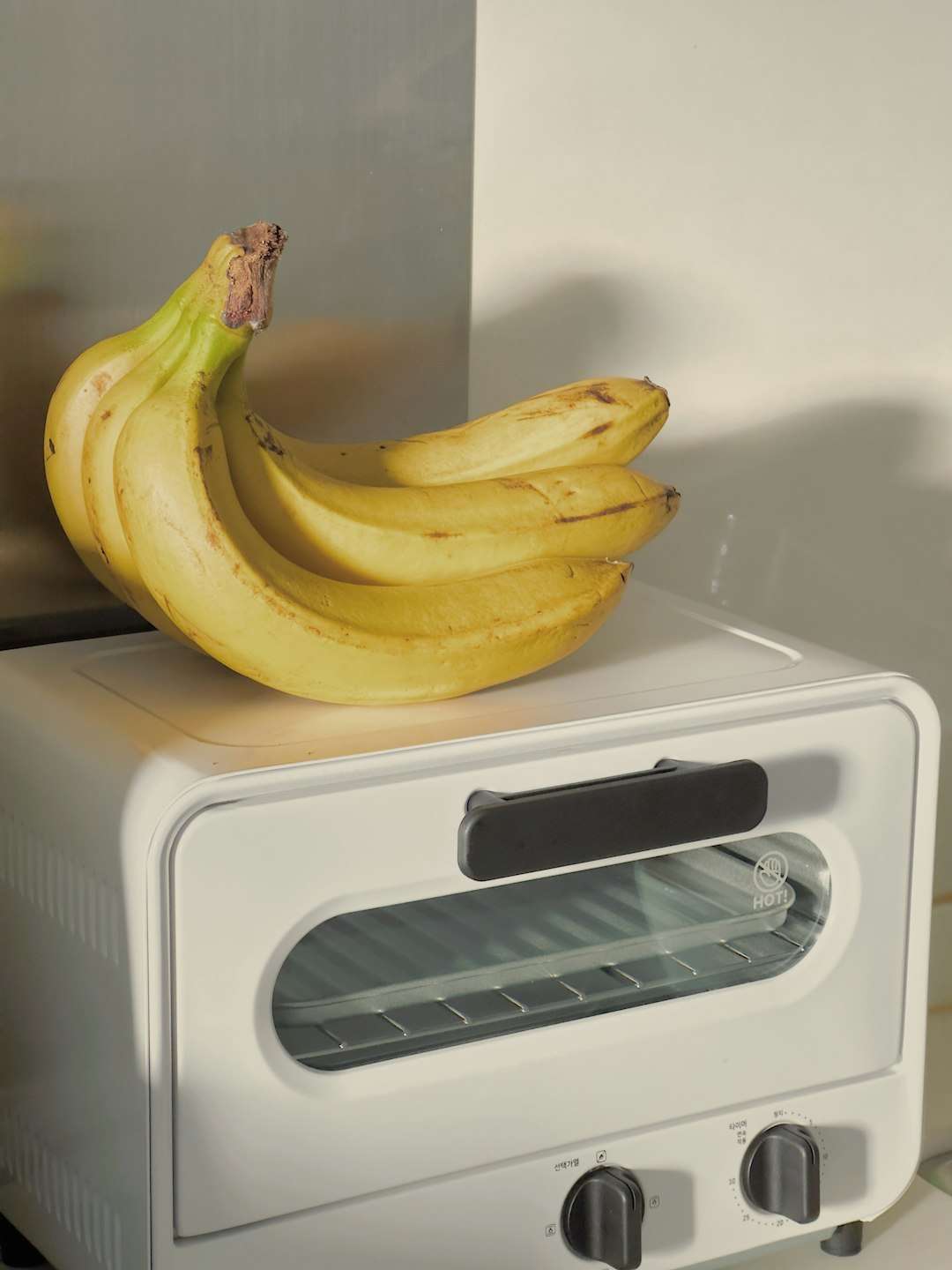
📸 Photo by Surendran MP on Unsplash

#banana #bpad #bwatch #bananatv #bananapod #techecosystem #satire #siliconvalley #bananainc #alternatehistory #comedy #plaazaa #whatif #innovation

image

---
title: "If I Were Steve Jobs But Named It BANANA - Episode 3: Banana vs. the World"
date: "2026-03-22"
author: "alberto"
category: "entertainment"
tags: [banana, samsung, google, android, microsoft, tech-wars, satire, fiction]
group: "aroundtheworld"
group_id: 25
lang: "en"
brief: "Episode 3: The epic Banana Wars as Samsung, Google, and Microsoft scramble to compete with the bPhone."
sources: [Imagination, Smartphone Wars History, Tech Industry Lore]
type: "deep-dive"
version: 1
---

🍌 **IF I WERE STEVE JOBS... BUT I NAMED THE COMPANY "BANANA"**

📖 **Episode 3** — Banana vs. the World

*A 5-Part Satirical Epic About the Greatest Tech Company That Never Was*

---

### ⚔️ Chapter 1: The Banana Wars Begin

By 2010, the bPhone had fundamentally reshaped the mobile phone industry. Every major company was scrambling to respond. But competing with Banana Inc. presented a unique challenge: How do you compete with a product that is simultaneously the most innovative device on the market AND the world’s most persistent meme?

Samsung was the first to take the fight seriously. In their Seoul headquarters, a war room had been established with a single objective on the wall: **"BEAT THE BANANA."**

Lee Kun-hee, Samsung’s chairman, gathered his top executives.

"The bPhone is outselling every phone we make combined," he said. "People are choosing a phone named after a BANANA over Samsung Galaxy. Explain."

The room went silent.

"Sir," said the head of mobile cautiously, "the bPhone’s touch interface is genuinely superior—"

"I don’t want excuses. I want a phone that makes people forget the bPhone."

Samsung’s Galaxy S came in 2010. A formidable phone — Super AMOLED display, Android OS, fast processor, expandable storage. On specs, it matched or beat the bPhone in several areas.

But marketing against a banana was a nightmare. Their first campaign: "Galaxy S: For People Who Take Technology Seriously." It backfired spectacularly when the internet produced a meme: a Galaxy S next to a bPhone with the caption, "Samsung Galaxy: Because we couldn’t think of a funnier name."

Samsung’s marketing went through three creative directors in six months.

---

### 🤖 Chapter 2: Google’s Android Counter-Offensive

Google’s response was more strategic. Android was positioned as the democratic alternative to Banana’s walled garden.

"We believe mobile computing should be open, not controlled by a single fruit company," said Andy Rubin at a 2008 press conference. He had rehearsed saying "fruit company" fifty times without smirking. He almost succeeded.

The Banana-vs-Android debate made tech journalism uniquely absurd. Reporters had to write sentences like: "The Banana ecosystem offers a more curated experience, while Android provides greater customization at the cost of Banana-level polish."

Academic papers appeared with titles like: "The Banana Paradigm: Closed Innovation in Mobile Computing." An MIT professor refused to teach a case study on Banana Inc. because, as he told Wired, "I cannot say ‘banana’ forty times in a lecture without losing all academic credibility."

Google’s Android version names — Cupcake, Donut, Eclair, Froyo — were partly a deliberate strategy to normalize food-based naming, reducing Banana’s novelty advantage. If everyone was named after food, being named after a banana was no longer special.

Sergey Brin was once asked on CNBC whether Android was "just a cheaper banana." After a three-second pause, he replied, "Android is a platform, not a fruit." It immediately became a t-shirt on Google’s campus store.

---

### 💨 Chapter 3: Microsoft’s Tragic Misadventure

If Samsung’s response was aggressive and Google’s strategic, Microsoft’s was tragic.

Steve Ballmer had famously dismissed the bPhone at launch. In a 2007 interview, he said: "Five hundred dollars? For a phone? Named after a BANANA?" He laughed so hard he wiped tears from his eyes. "No chance the bPhone gets significant market share."

Within three years, the bPhone had captured 27% of the smartphone market and was generating more profit than all of Microsoft’s consumer products combined. Ballmer’s quote was printed on a gold-framed poster in Banana Inc.’s lobby.

Windows Phone, launched in 2010, was actually well-designed. Its tile interface was innovative. But Microsoft ran a campaign called "Really?" showing bPhone-obsessed people walking into walls, ignoring children, falling into fountains. Tagline: "It’s time for a phone that lets you get back to life."

The campaign backfired. It reminded people how much they LOVED their bPhones. Every scenario resonated as a celebration of how engaging the bPhone was.

"Thanks for the free bPhone ad," Jobs said. "Microsoft just spent $100 million telling people our product is so good you can’t put it down."

Windows Phone achieved about 3% share before being quietly abandoned. The internet updated Ballmer’s quote: "No chance the bPhone gets significant share. — Steve Ballmer, 2007, from his phone that no longer exists."

---

### ⚖️ Chapter 4: The Lawsuit Circus

The smartphone wars moved into courtrooms in what became the "Patent Banana Wars" — lawsuits so complex, so petty, and so expensive that they made the actual Banana Wars of the early 20th century look straightforward.

Banana sued Samsung for copying the bPhone. Samsung countersued. Motorola sued Banana. Banana sued HTC. Nokia sued everyone. By 2012, there were 147 active patent lawsuits involving Banana Inc. across 37 jurisdictions.

In the landmark Banana Inc. v. Samsung case, Banana’s lawyers argued Samsung had "systematically copied the distinctive trade dress of the bPhone, including its rounded corners, icon grid layout, and rectangular form factor."

Samsung’s attorney responded: "Banana Inc. is essentially arguing they own the concept of a rectangle with rounded corners. We’d like to point out that rectangles with rounded corners have existed for thousands of years. They’re called — and I apologize in advance — they’re called bananas."

The courtroom erupted. The judge called a recess. Banana’s attorney later said it was the first time in thirty years that opposing counsel had won a point by comparing a smartphone to an actual banana.

The jury awarded Banana over $1 billion in damages. Judge Lucy Koh later reflected: "The challenge was maintaining judicial decorum in a courtroom where the word ‘banana’ was said approximately 4,000 times."

---

### 🌍 Chapter 5: The Global Banana Effect

By 2013, the bPhone had altered not just technology but global culture.

**In Japan**, the bPhone became the best-selling smartphone. "Banana" sounds inherently cute in Japanese, fitting perfectly into kawaii culture. Consumers created elaborate cases shaped like actual bananas with faux peels that flipped back to reveal the screen. A bPhone-themed café in Shibuya had a three-month wait for reservations.

**In India**, an entire ecosystem of banana-themed accessories and knockoffs emerged. A Shenzhen company produced a $30 "bPhone Mini" with a slightly modified logo resembling a plantain. They argued in court that their logo was clearly a plantain, not a banana. The case was settled for an undisclosed amount.

**In Brazil**, a black market emerged selling fakes at 80% of retail price. Banana developed an authentication app called "Is This a Real Banana?" to help customers verify genuine devices.

**In Dubai**, a gold-plated, diamond-encrusted bPhone sold for $1.2 million. Three were purchased on launch day.

A Harvard Business School case study — "The Banana Strategy: How Absurdist Branding Created the World’s Most Valuable Company" — became the most-taught case study in the school’s history. Professor Clayton Christensen reportedly said, "I’ve spent my career studying disruptive innovation. I never imagined the ultimate disruption would be naming your company after a banana."

---

👉 **Next Episode: The Banana Ecosystem** — bPad, bWatch, BananaTV, and how Banana Inc. built an empire where everything starts with B.

---

📸 Photo by Chanhee Lee on Unsplash

#banana #bananawars #samsung #google #android #microsoft #techwars #bphone #satire #siliconvalley #bananainc #alternatehistory #comedy #plaazaa #whatif

image

---
title: "If I Were Steve Jobs But Named It BANANA - Episode 2: The bPhone Revolution"
date: "2026-03-22"
author: "alberto"
category: "entertainment"
tags: [banana, bphone, iphone, steve-jobs, satire, tech-humor, smartphone, fiction]
group: "aroundtheworld"
group_id: 25
lang: "en"
brief: "Episode 2 of the Banana saga: Steve Jobs unveils the bPhone at Bananaworld 2007, and the smartphone industry will never be the same — nor will anyone’s sense of dignity."
sources: [Imagination, Apple History, iPhone Launch History]
type: "deep-dive"
version: 1
---

🍌 **IF I WERE STEVE JOBS... BUT I NAMED THE COMPANY "BANANA"**

📖 **Episode 2** — The bPhone Revolution

*A 5-Part Satirical Epic About the Greatest Tech Company That Never Was*

---

### 🎤 Chapter 1: "One More Thing... It’s a bPhone"

January 9, 2007. The Moscone Center in San Francisco was packed to capacity. Every tech journalist, analyst, and blogger on the planet had gathered for Bananaworld 2007, the annual conference where Banana Inc. unveiled its latest innovations.

Steve Jobs stood on stage in his trademark black turtleneck and jeans. Behind him, a massive screen displayed the Banana logo — that sleek chrome banana that had graced every product since 1998. The audience was electric with anticipation.

"Today," Jobs began, his voice barely above a whisper, "we are introducing three revolutionary products."

The crowd leaned forward.

"The first... is a widescreen bPod with touch controls."

Applause.

"The second... is a revolutionary mobile phone."

Louder applause.

"The third... is a breakthrough internet communications device."

Standing ovation.

Jobs let the applause die down. Then he repeated the three products. And again. And again. The audience began to catch on. Murmurs rippled through the crowd.

"Are you getting it? These are not three separate devices. This is ONE device. And we are calling it..."

The screen behind him lit up with a single word in Helvetica Neue.

**bPhone.**

The audience erupted. Then paused. Then erupted again, but with a distinctly different energy. Half the room was cheering. The other half was trying very hard not to laugh.

"b... Phone?" whispered Walt Mossberg of The Wall Street Journal to his colleague next to him. "As in... the letter B?"

"As in Banana," his colleague whispered back. "Banana Phone."

And in that moment, every person in that auditorium — every single one — had the same song stuck in their head. The Raffi song. The children’s song. "Banana Phone, ring ring ring ring ring ring ring, BANANA PHONE!"

Jobs could see it happening in real time. The suppressed grins. The shoulders shaking with silent laughter. He had anticipated this. He had PLANNED for this.

"I know what you’re thinking," he said, pacing the stage with predatory calm. "You’re thinking about that song. Let me address that directly."

He clicked a button. The Raffi song blasted through the Moscone Center’s speaker system at full volume. "RING RING RING RING RING RING RING — BANANA PHONE!"

The audience lost it. Complete, uncontrolled, tear-streaming laughter. Security guards were laughing. The cameramen were shaking. Somewhere in the back row, a Bloomberg reporter snorted coffee through his nose.

Jobs let it play for exactly twelve seconds. Then he cut it off.

"Now that we’ve gotten that out of our system," he said with a razor-thin smile, "let me show you why you’ll never think of that song the same way again."

---

### 📱 Chapter 2: The Hardware That Changed Everything

The bPhone was, objectively, a masterpiece. Jobs had spent five years secretly developing it with a team of engineers who had signed non-disclosure agreements so strict that one engineer reportedly wasn’t allowed to tell his wife he worked at Banana Inc. She thought he was a plumber for three years. (He later said it was actually less stressful than explaining that he designed the scroll-bounce animation.)

The device itself was stunning. A 3.5-inch touchscreen with no physical keyboard, no stylus, no buttons except one single home key shaped like — of course — a tiny banana. When you pressed it, the screen displayed a brief banana-peel animation before returning to the home screen. It was either brilliant or insane, and most people couldn’t tell the difference, which was exactly how Jobs liked it.

"Every detail matters," Jobs told his design team led by Jony Ive, the British designer whose voice could make reading a dishwasher manual sound like poetry. "When someone picks up this phone, I want them to feel something. I want them to feel like they’re holding the future."

"And also a banana?" Ive asked in his impossibly soft Midlands accent.

"The banana IS the future, Jony."

The phone’s UI was revolutionary. Where other smartphones had grids of tiny, ugly icons, the bPhone had large, beautiful, finger-friendly icons arranged on a sleek interface. The “slide to unlock” feature used an animation of a banana being peeled. You literally peeled a virtual banana to unlock your phone.

It was, against all odds, deeply satisfying.

---

### 📡 Chapter 3: The Carrier Negotiations

Before the bPhone could launch, Jobs needed a carrier partner. In our timeline, he famously convinced AT&T (then Cingular) to agree to unprecedented terms: Banana would control the software, the design, the retail experience, and even the visual voicemail system. The carrier was essentially a dumb pipe.

The negotiations were even more dramatic in the Banana timeline.

"Let me get this straight," said Stan Sigman, CEO of Cingular Wireless, sitting across from Jobs in a conference room. "You want us to completely redesign our network infrastructure, give you revenue sharing on every data plan, allow you full control over the user interface, and — and I want to make sure I’m reading this correctly — you want our customer service representatives to answer the phone by saying ‘Welcome to the Banana experience’?"

"That’s correct."

"Steve, I have 60 million subscribers. I cannot ask my customer service team to say ‘Banana experience’ with a straight face."

"Then hire people with better poker faces."

"My board will think I’ve lost my mind."

"Your board thought the internet was a fad in 1995. Trust me, Stan. In two years, you’ll be thanking me. In five years, you’ll be naming your firstborn ‘Banana.’"

Sigman signed the deal. He did not name his firstborn Banana, but he did make $10 billion in the first year of the partnership, so he considered it a wash.

---

### 📰 Chapter 4: The Media Frenzy

The media coverage of the bPhone launch was unlike anything the technology industry had ever seen. It was also unlike anything the comedy industry had ever seen, because for the first time in history, a product launch was simultaneously the biggest tech story AND the biggest comedy story in the world.

**The New York Times** ran the headline: "Banana Inc. Unveils bPhone: Is This the Future of Mobile Computing?" Underneath, in smaller print: "Also, We Cannot Believe We Just Typed That Headline."

**The Wall Street Journal** gave it a serious, thorough review. Walt Mossberg called it "the most revolutionary mobile device I’ve ever used" and noted that the only downside was that "showing it to friends invariably devolves into a ten-minute conversation about fruit-based puns that you can never get back."

**Late Night with David Letterman** dedicated an entire Top 10 list to it: "Top 10 Rejected Names for the Banana Phone." Number one was: "The Banana Phone, because apparently ‘The Fruit That Makes Serious Business People Look Absolutely Ridiculous’ was too long."

**Saturday Night Live** created a recurring sketch called "Genius Counter" (Banana’s version of the Genius Bar), where customers would bring in their bPhones with increasingly absurd problems. "My bPhone keeps autocorrecting everything to banana-related words." "That’s not a bug, sir. That’s a feature." "My mom’s name is not ‘Banantha.’"

The sketch became one of the most-watched recurring bits of the 2007-2008 season.

**CNN** ran a segment asking whether the bPhone name was "a branding disaster or a stroke of genius." The panel of four experts was split exactly 2-2, and the segment ended with Anderson Cooper saying, "I guess time will tell," while visibly trying not to laugh.

---

### 🛒 Chapter 5: Launch Day Chaos

June 29, 2007. The first bPhones went on sale at Banana Stores across America at 60 PM.

The lines were enormous. People had been camping out for days. In the Banana Store on Fifth Avenue in New York City, the line stretched for four blocks. In Palo Alto, the line wrapped around the block twice. In every city with a Banana Store, the scene was the same: hundreds of people, many dressed in yellow, waiting for the chance to spend $499 on a phone named after a fruit.

The cultural phenomenon of the bPhone line became a story in itself. Vendors set up banana stands near the stores, selling actual bananas to people waiting in line. It started as a joke, but the banana vendors made thousands of dollars. One enterprising man in San Francisco set up a smoothie cart called "bSmoothie" and reportedly made $8,000 in a single day.

People in line developed their own culture. They wore banana costumes. They played the Raffi song on loop. They created chants. "WHAT DO WE WANT?" "bPHONES!" "WHEN DO WE WANT THEM?" "NOW!" "WHAT ARE WE?" "NOT CRAZY, WE’RE EARLY ADOPTERS!"

When the doors finally opened, the first customer at the Fifth Avenue store — a 24-year-old software developer named Greg Packer who had been waiting for 110 hours — held up his bPhone like Simba in The Lion King. The crowd behind him roared. A woman fainted. Three people cried. A golden retriever wearing a banana costume barked approvingly.

Jobs watched the footage from his office in Cupertino, sitting cross-legged on the floor, eating a banana.

"They get it," he said to no one in particular. "They finally get it."

Within 74 days, Banana had sold one million bPhones. Within a year, it was six million. The device was reviewed as groundbreaking, revolutionary, paradigm-shifting — every superlative in the English language was deployed. But every review, every article, every news segment had to contend with the name.

It was impossible to discuss the bPhone with gravitas. CEOs couldn’t bring themselves to say "hand me my bPhone" in board meetings without someone snickering. Lawyers couldn’t reference their "bPhone" in depositions without the stenographer pausing to confirm the spelling. Newscasters couldn’t say "bPhone" without a tiny crack in their professional composure.

And yet, everyone bought one. Everyone wanted one. Everyone NEEDED one.

Because at the end of the day, the bPhone wasn’t just a phone named after a banana. It was the best phone ever made. It was a pocket computer, a music player, an internet browser, a camera, a GPS, a gaming device, and a communication tool that made every other phone on the market look like it was designed by someone who had never actually used a phone.

The name was absurd. The product was not.

And that, Jobs would later say, was the entire point.

"If we can make people take a product called the bPhone seriously — SERIOUSLY — then we have proven something profound about the power of design, engineering, and vision over convention and expectation. We have proven that a great product transcends its name. We have proven that if you build something truly extraordinary, people will overcome their own embarrassment to own it."

He paused, then added: "Also, the marketing basically writes itself. Do you know how much money we save on advertising? Every comedian in America is doing our marketing for free."

He wasn’t wrong. Banana Inc.’s marketing budget for the bPhone launch was 40% lower than any comparable product launch in tech history, because every late-night monologue, every SNL sketch, every Twitter joke was free advertising.

The bPhone didn’t just change the phone industry. It changed the relationship between technology and culture. It proved that a product could be simultaneously the butt of every joke AND the most desired object on the planet.

---

👉 **Next Episode: Banana vs. the World** — How Samsung, Google, and Microsoft tried to compete, and why "the Banana Wars" became the most entertaining corporate rivalry in history.

---

📸 Photo by Meschael Zahède on Unsplash

#banana #bphone #stevejobs #techhumor #satire #siliconvalley #smartphonerevolution #bananainc #alternatehistory #techfiction #comedy #plaazaa #whatif #innovation

image

---
title: "If I Were Steve Jobs But Named It BANANA - Episode 1: The Birth of Banana Inc."
date: "2026-03-22"
author: "alberto"
category: "entertainment"
tags: [banana, steve-jobs, satire, tech-humor, startup, silicon-valley, fiction]
group: "aroundtheworld"
group_id: 25
lang: "en"
brief: "What if Steve Jobs named his company Banana instead of Apple? Episode 1 explores the chaotic, hilarious origin story of Banana Inc. from a garage in Cupertino."
sources: [Imagination, Apple History, Silicon Valley Lore]
type: "deep-dive"
version: 1
---

🍌 **IF I WERE STEVE JOBS... BUT I NAMED THE COMPANY "BANANA"**

📖 **Episode 1** — The Birth of Banana Inc.

*A 5-Part Satirical Epic About the Greatest Tech Company That Never Was*

---

### 🎬 Chapter 1: The Garage That Smelled Like Potassium

The year was 1976. In a modest garage in Los Altos, California, two young men sat surrounded by circuit boards, soldering irons, and an alarming number of banana peels.

"Steve," said Steve Wozniak, carefully connecting a resistor to his latest creation, "I’ve been meaning to ask you something."

"What is it, Woz?"

"Why are there forty-seven bananas on my workbench?"

Steve Jobs — or rather, in this alternate universe, the man who would become the most controversial fruit-branding enthusiast in corporate history — looked up from his meditation mat with the serene confidence of a man who had just returned from an ashram in India and discovered the meaning of life in a potassium-rich fruit.

"Because, Woz," he said, his eyes gleaming with the intensity of a thousand product launches, "the banana is the perfect fruit."

Woz blinked. "I thought you were into apples last week."

"Apples are pedestrian. Apples are what your grandmother puts in a pie. But a banana — a BANANA — is nature’s most brilliant piece of engineering. Think about it. It comes in its own packaging. It has a natural handle. It’s curved, ergonomic, fits perfectly in the human hand. The banana is God’s first user-friendly product."

Wozniak stared at his friend for a long moment. "Steve, we’re building computers."

"We’re building the FUTURE, Woz. And the future..." Jobs paused dramatically, picking up a banana from the pile and holding it aloft like Excalibur, "...is yellow."

---

### 💻 Chapter 2: The Banana I

The first computer they built was called the Banana I. It was, by all accounts, a remarkable machine. Wozniak had engineered a personal computer that could display text on a television screen, perform calculations, and run simple programs. It was genuinely revolutionary.

The problem was the branding.

"Nobody is going to buy a computer called the Banana I," said Paul Terrell, the owner of The Byte Shop, one of the first personal computer stores in the world. He stood in the garage, looking at the machine with the expression of a man who had just been asked to invest in a restaurant called "Diarrhea Dan’s."

"The name is memorable," Jobs insisted. "When people think of personal computing, they’ll think of bananas."

"When people think of bananas, they think of monkeys, Steve."

"Exactly! Monkeys are curious, intelligent, playful — just like our users will be. We’re not selling to corporations in gray suits. We’re selling to the rebels, the artists, the crazy ones."

"The crazy ones who want a computer named after a banana?"

"Precisely."

Terrell ordered fifty units. Not because he believed in the vision, but because Jobs had a way of making you feel like if you didn’t buy in now, you’d spend the rest of your life telling people you passed on the Banana I, and they would laugh at you in a completely different way than they were already laughing.

The Banana I sold for $666.66. Jobs wanted to price it at $666.69 because he thought it was funnier, but Wozniak threatened to leave the company.

---

### 📊 Chapter 3: The Logo Problem

Every great company needs a great logo. Apple — in our reality — had Rob Janoff’s elegant, bitten apple. Simple. Iconic. Timeless.

Banana Inc. did not have this luxury.

The first logo was designed by Ron Wayne, the often-forgotten third co-founder of the company. His original Apple logo had been an elaborate engraving of Isaac Newton sitting under a tree. For Banana, he produced an equally elaborate illustration of a monkey in a three-piece suit, peeling a banana while sitting at a computer terminal.

"It’s... detailed," Wozniak said diplomatically.

"It looks like a children’s book about financial literacy," Jobs said. "We need something cleaner. Something iconic."

They hired Rob Janoff, who had done excellent work for other Silicon Valley companies. Jobs sat him down and gave him the brief.

"I want a banana. But not just any banana. I want a banana that represents everything we stand for — simplicity, elegance, thinking differently."

"Okay," Janoff said. "What about a banana with a bite taken out of it?"

"Why would someone bite a banana with the peel still on?"

"Well, with the apple, the bite was to distinguish it from a cherry or—"

"Nobody confuses a banana with anything. A banana looks like a banana. That’s the genius of the banana."

After three weeks of revisions, they settled on a simple, curved banana silhouette in six rainbow stripes. It was... distinctive. The curve of the banana actually worked surprisingly well as a design element. The rainbow stripes made it look festive, tropical, optimistic.

The problem came later, in the 1990s, when they tried to modernize the logo to a monochrome version. A single-color banana silhouette, it turned out, looked less like a technology company logo and more like a warning sign you might see at a grocery store indicating a wet floor hazard. They went through fourteen iterations before settling on a sleek, chrome banana that looked like it belonged on the hood of a luxury car rather than a box of fruit.

"It’s phallic," the marketing team said.

"It’s ICONIC," Jobs replied.

The chrome banana stayed.

---

### 💰 Chapter 4: The Investor Problem

Mike Markkula, the angel investor who in our timeline provided $250,000 to get Apple Computer off the ground, sat across from Jobs and Wozniak in 1977, listening to their pitch.

"Let me make sure I understand," Markkula said, adjusting his glasses. "You want me to invest a quarter of a million dollars in a computer company called Banana."

"Banana Inc.," Jobs corrected. "The ‘Inc.’ makes it professional."

"The word ‘Banana’ makes it unprofessional, Steve. I worked at Intel. I worked at Fairchild Semiconductor. These are serious names for serious companies. You’re asking me to put my reputation behind a company that sounds like a Monty Python sketch."

"And yet you’re here," Jobs said, leaning forward. "You’re here because you’ve seen what Woz built. You’ve seen the Banana II prototype. You know — you KNOW — this is the future of personal computing. The name is irrelevant."

"The name is the first thing every customer, every investor, every journalist will encounter."

"Then they’ll remember us. Will they remember ‘Consolidated Data Systems’? Will they remember ‘Pacific Micro Technologies’? No. But they will NEVER forget Banana. Twenty years from now, people will see a banana and think of us. Fifty years from now, children will grow up thinking bananas were NAMED after our company. We’re not just building computers, Mike. We’re hijacking a piece of nature itself."

Markkula invested. He later told his wife it was either the smartest or the stupidest thing he’d ever done, and he wouldn’t know which for at least five years.

He was right. It was both.

---

### 🏢 Chapter 5: The Banana II and the Rise

The Banana II, released in 1977, was a genuine masterpiece of engineering. Wozniak had outdone himself. Color graphics. Sound. Expansion slots. A built-in keyboard. It was, by any objective measure, one of the most important personal computers ever created.

But the name created problems that Apple never faced in our timeline.

**Problem 1: The Customs Issue.** When Banana Inc. tried to ship computers internationally, several countries flagged the shipments because customs officials genuinely believed they were receiving fruit. The Japanese customs authority held up an entire container of Banana II computers for three weeks because they failed a phytosanitary inspection. "These are COMPUTERS," the shipping manager screamed into the phone. "Run the X-ray again!"

**Problem 2: The Grocery Store Confusion.** In 1978, Banana Inc. opened its first retail partnership with Sears. The computers were supposed to be displayed in the electronics department. They were instead placed in the produce section — twice. A store manager in Des Moines, Iowa, reportedly said, "I don’t know what a ‘Banana II’ is, but if it’s a banana, it goes next to the plantains."

**Problem 3: The Wall Street Skepticism.** When Banana Inc. prepared for its IPO in 1980, investment bankers at Morgan Stanley had serious reservations. "We’ve never taken a fruit company public before," said the lead underwriter. "We’re not a fruit company!" Jobs shouted, reportedly throwing a banana at the man’s head. (The banana missed. Jobs’ aim was as inconsistent as his temperament.)

Despite all of this, the Banana II sold over six million units. It established Banana Inc. as a major player in the personal computing revolution. Schools across America were buying Banana IIs for their computer labs, leading to an entire generation of children who would grow up learning to code on a machine called a Banana.

VisiCalc, the first spreadsheet application, was developed exclusively for the Banana II. Accountants across the country were now doing their taxes on a Banana. Lawyers were drafting contracts on a Banana. Doctors were managing patient records on a Banana. The jokes wrote themselves, and late-night comedians never ran out of material.

Johnny Carson’s monologue from October 1979: "I bought one of those new Banana computers. Now, I’m no expert, but I’m pretty sure when they said ‘plug and play,’ they didn’t mean stick it in my ear."

The audience roared. Jobs watched from his living room, and for the first time, he smiled. They were talking about Banana. Love it or hate it, everyone knew the name.

And that, he knew, was worth more than any logo, any investor’s approval, any customs form.

"They’re laughing with us, Woz," Jobs said into the phone.

"They’re laughing AT us, Steve."

"Same thing. As long as they’re laughing, they’re paying attention."

---

👉 **Next Episode: The bPhone Revolution** — How Banana Inc. reinvented the smartphone, and why the world couldn’t stop making jokes about it.

---

📸 Photo by MChe Lee on Unsplash

#banana #stevejobs #techhumor #satire #siliconvalley #startuplife #bananainc #alternatehistory #techfiction #comedy #plaazaa #fiction #bphone #whatif

image

---
title: "Top 5 Hidden Gems in San Ramon for Families"
date: "2026-03-22"
author: alberto
category: local-guide
tags: [san-ramon, family, hidden-gems, outdoor, local-favorites]
brief: "Discover the best-kept secrets in San Ramon — from a working Victorian farm to butterfly-themed parks and world-class museums."
sources:
- tripadvisor.com
- travelrealizations.com
- discoversanramonca.com
- searchhomelists.com
- sanramon150.com
type: editorial
version: 1
---

## 🌟 Top 5 Hidden Gems in San Ramon for Families

San Ramon is more than just a quiet suburb in the Tri-Valley — it’s home to some truly special spots that most visitors (and even some locals!) overlook. Here are five family-friendly hidden gems worth exploring this season.

---

### 1. 🌾 Forest Home Farms Historic Park

Tucked at the base of the East Bay Hills, this **16-acre working farm** is a living time capsule. Kids can explore over **50 antique tractors** from the 1920s–50s in the Tractor Museum, visit the restored Railroad Depot, and tour the stunning Glass House Museum — a white Italianate-Victorian home from 1877.

📌 **Pro tip** — Join the free *Fun on the Farm* event every Saturday morning!

---

### 2. 🦋 Monarch Park

Hidden in the Windermere neighborhood, Monarch Park is a peaceful escape with **butterfly-themed play structures**, gentle walking trails, and wide-open green space perfect for picnics. It’s rarely crowded, making it ideal for young children.

---

### 3. 🏛️ Blackhawk Museum Exploration Center

While many know the Blackhawk Museum for its classic cars, the **hands-on Exploration Center** is a true hidden gem for families. Kids can interact with exhibits on transportation, world cultures, and natural history — all under one roof.

---

### 4. 🚲 Iron Horse Regional Trail

This paved, **car-free trail** stretches over 30 miles through the Tri-Valley and is perfect for family bike rides, jogging, or a leisurely walk with a stroller. The San Ramon sections are especially scenic with rolling hills and shaded stretches.

---

### 5. 🍅 San Ramon Valley Farmers Market

Operating since **1974**, this is one of the Bay Area’s longest-running farmers markets. Browse fresh local produce, artisan bread, handmade goods, and seasonal treats. A wonderful Saturday morning tradition for the whole family.

---

**📷** *Photo by [Akshay Madivanan](https://unsplash.com/@akshay_madivanan) on [Unsplash](https://unsplash.com)*

image

---
title: "เทคนิคการจำตารางธาตุ สำหรับเด็ก Grade 8"
date: "2026-03-22"
author: "alberto"
category: "education"
tags: [chemistry, periodic-table, study-tips, grade8, science, mnemonics]
group: ""
group_id: 0
lang: "th"
brief: "รวมเทคนิคจำตารางธาตุแบบสนุกสำหรับนักเรียน ม.ต้น ทั้งคำคล้องจอง แผนที่สี เพลง และเทคนิคการแบ่งกลุ่ม"
sources: [Thai Chemistry Curriculum, Periodic Table Mnemonics]
type: "post"
version: 1
---

🧪 **เทคนิคจำตารางธาตุ** — สำหรับเด็ก Grade 8 🎓

ตารางธาตุดูยาก แต่ถ้ารู้เทคนิค จะจำได้ง่ายและสนุกมาก! 💡

---

### 🎯 เทคนิคที่ 1 — คำคล้องจอง (Mnemonics)

แต่งประโยคจำง่าย ๆ จากสัญลักษณ์ธาตุในแต่ละหมู่

🔸 **หมู่ 1A** (H, Li, Na, K, Rb, Cs, Fr)
“**หัว ลิง นา คุย รับ ซีส ฟรี**”

🔹 **หมู่ 2A** (Be, Mg, Ca, Sr, Ba, Ra)
“**เบ็น แมง ค้า สร้าง บ้าน ราคา**”

🔸 **หมู่ 7A** (F, Cl, Br, I, At)
“**ฟัน คลินิค บริการ ไอดี แอท**”

🔹 **หมู่ 8A / ก๊าซเฉื่อย** (He, Ne, Ar, Kr, Xe, Rn)
“**หื่ นี่ อาร์ คริป ซีโน่ รน**”

🔸 **คาบ 3** (Li, Be, B, C, N, O, F, Ne)
“**ลิง เบ็น บุญ คุณ น้อง อ้อม ฟัน นะ**”

---

### 🎨 เทคนิคที่ 2 — แผนที่สี (Color Coding)

ใช้สีแบ่งกลุ่มธาตุตามสมบัติ

- 🔴 **สีแดง** — โลหะแอลคาไล (หมู่ 1A)
- 🟠 **สีส้ม** — โลหะแอลคาไลน์เอิร์ท (หมู่ 2A)
- 🟡 **สีเหลือง** — โลหะทรานซิชัน (หมู่
- 🟢 **สีเขียว** — อโลหะ (หมู่ 3A–6A)
- 🔵 **สีน้ำเงิน** — แฮโลเจน (หมู่ 7A)
- 🟣 **สีม่วง** — ก๊าซเฉื่อย (หมู่ 8A)

📌 **ทำแผนที่สีและติดผนัง** — เวลาทบทวนจะได้เห็นภาพรวมและจำได้เร็วขึ้น!

---

### 🎵 เทคนิคที่ 3 — เพลงและจังหวะ (Songs & Rhythm)

ลองร้องเป็นทำนองตามจังหวะเพลงโปรด

- 🎶 ร้องชื่อธาตุตามทำนองเพลงที่ชอบ
- 🎶 ใช้ rap หรือ rhythm จำธาตุ 20 ตัวแรก
- 🎶 ค้นหาใน YouTube “Periodic Table Song” มีหลายเวอร์ชันให้เลือก

---

### 🧩 เทคนิคที่ 4 — แบ่งกลุ่มให้เข้าใจ

อย่าท่องทั้ง 118 ธาตุ! แบ่งเป็นกลุ่มเล็ก ๆ

- 📗 **กลุ่ม A** — เริ่มจากหมู่ 1A และ 7A ก่อน (ใช้บ่อยในชีวิตประจำวัน)
- 📘 **กลุ่ม B** — ทำความรู้จักทีหลัง (เหล็ก ทอง ทองแดง)
- 📙 **ก๊าซเฉื่อย** — จำแค่ว่า “ไม่ทำปฏิกิริยากับใคร”

---

### 📝 เทคนิคที่ 5 — เชื่อมโยงกับชีวิตจริง

ธาตุไม่ได้อยู่แค่ในหนังสือ!

- 💧 **H₂O** — น้ำที่ดื่มทุกวัน = ไฮโดรเจน + ออกซิเจน
- 🧂 **NaCl** — เกลือในครัว = โซเดียม + คลอรีน
- 📎 **Fe** — เหล็ก รถยนต์ ตะปู = ธาตุเหล็ก
- 🥇 **Au** — ทองคำที่สวย = จากภาษาละติน Aurum
- 💎 **C** — เพชร ดินสอ = คาร์บอนตัวเดียวกัน!

---

### 💡 เคล็ดลับที่ต้องจำ

ธาตุ 20 ตัวแรกที่ต้องรู้ (H → Ca)

| เลข | สัญลักษณ์ | ชื่อ | จำง่าย ๆ |
|------|------|------|------|
| 1 | H | ไฮโดรเจน | น้ำ |
| 2 | He | ฮีเลียม | ลูกโป่ง |
| 6 | C | คาร์บอน | ดินสอ |
| 8 | O | ออกซิเจน | หายใจ |
| 11 | Na | โซเดียม | เกลือ |
| 20 | Ca | แคลเซียม | กระดูก |

---

🚀 **ทริคสำคัญ** — ทบทวนวันละ 10 นาที สม่ำเสมอทุกวัน เขียนซ้ำด้วยมือ และอย่าลืมเชื่อมโยงกับของจริงรอบตัว 💪

📸 Photo by Brett Jordan on Unsplash

#ตารางธาตุ #เคมี #วิทยาศาสตร์ #grade8 #เทคนิคการจำ #periodictable #chemistry #studytips #mnemonics #การศึกษา #plaazaa

image

---
title: "เล่าเรื่องพระอภัยมณี อ่านง่ายสำหรับเด็ก Grade 8"
date: "2026-03-22"
author: "alberto"
category: "culture"
tags: [thai-literature, phra-aphai-mani, sunthorn-phu, grade8, education]
group: "thailand"
group_id: 4
lang: "th"
brief: "สรุปเรื่องพระอภัยมณีฉบับอ่านง่าย เหมาะสำหรับนักเรียนม.ต้น พร้อมตัวละคร ความสัมพันธ์ และบทเรียนสำคัญ"
sources: [Sunthorn Phu, Thai Literature Curriculum]
type: "post"
version: 1
---

📚 **เล่าเรื่องพระอภัยมณี** — ฉบับอ่านง่ายสำหรับเด็ก Grade 8

---

### 🎯 ผู้แต่งคือใคร?

เรื่องพระอภัยมณีเป็นวรรณคดีที่ยาวที่สุดในโลก แต่งโดย **สุนทรภู่** กวีเอกของไทย มีทั้งหมด **30,574 คำกลอน** เขียนเป็นกลอนสุภาพ เริ่มแต่งสมัยรัชกาลที่ 3 และแต่งเสร็จในสมัยรัชกาลที่ 4

---

### 👤 ตัวละครหลัก

🎵 **พระอภัยมณี** — พระเอกของเรื่อง เป่าปี่ที่เป่าขลุ่ย มีพรสวรรค์คือเป่าปี่วิเศษที่เป่าได้ไพเราะ

⚔️ **ศรีสุวรรณ** — น้องชายผู้เก่งการรบ ฝีมือดี ใจกล้า เก่งกระบี่และการต่อสู้

🧜‍♀️ **นางผีเสื้อ** — ยักษ์ที่แปลงร่างเป็นหญิงสาว หลงรักพระอภัยมณีจนถูกจับไปอยู่ในถ้ำ

👑 **นางสุวรรณมาลี** — เจ้าหญิงเมืองละเวง งามสง่า เป็นตัวแทนผู้หญิงที่เข้มแข็งและมีพระคุณ

🔮 **พีเสื้อสมุทร** — ยักษ์หญิงผู้มีเวทมนตร์และความรู้ลึกลับ เป็นตัวร้ายสำคัญ

---

### 📖 เนื้อเรื่องแบบย่อๆ

**จุดเริ่มต้น** 🎶 พระอภัยมณีและศรีสุวรรณเป็นลูกของท้าวสุธนุ พระราชาแห่งเมืองรัตนา แต่ทั้งสองไม่สนใจเรียนวิชาการรบ พระอภัยมณีชอบเป่าปี่ ศรีสุวรรณชอบกระบี่ พอโกรธจึงเนรเทศทั้งสองออกจากเมือง

**ตอนกลางเรื่อง** 🌊 ทั้งสองลอยแพกลางทะเล พระอภัยมณีถูกนางผีเสื้อจับตัวไปขังไว้ในถ้ำเพราะหลงเสียงปี่ของเขา เขาได้ลูกชายชื่อ **สินสมุทร** กับนางผีเสื้อ ส่วนศรีสุวรรณถูกจับไปอยู่เมืองลังกาจึงฝึกวิชาการรบจนเก่ง

**ตอนผจญภัย** ⚔️ พระอภัยมณีหนีจากนางผีเสื้อได้โดยใช้เสียงปี่ พบนางสุวรรณมาลีและช่วยกันกอบกู้เมืองลังกา และต่อสู้กับอุษเรนและพีเสื้อสมุทร เรื่องมีการผจญภัยมากมายทั้งทางทะเลและบนบก

**ตอนจบ** 🏆 พระอภัยมณีเอาชนะอุษเรนและพีเสื้อสมุทร ได้ครองเมืองรัตนา และได้กลับมาครองเมืองลังกาด้วย จบลงด้วยการใช้สติปัญญาและความกล้าหาญมากกว่ากำลัง

---

### 💡 ทำไมเรื่องนี้สำคัญ?

🟢 **เสียงปี่เป็นอาวุธ** — พระอภัยมณีชนะด้วยเสียงปี่ไม่ใช่ดาบ นั่นคือสารว่า “**ความรู้และศิลปะมีค่ามากกว่ากำลัง**”

🟡 **สอนเรื่องความรัก** — มีตัวละครหญิงที่แกร่งกล้าหลายคน ความรักไม่ได้มีแค่แบบโรแมนติก แต่สะท้อนความจริงของชีวิต

🔴 **เตือนว่าความดีชนะความชั่ว** — แม้จะเก่งการรบ แต่สุดท้ายก็อยู่ที่ “ความดีชนะความชั่ว” ไม่ใช่ “กำลังคือพระเจ้า”

---

### 🎨 บทคัดเด่นที่ควรจำ

> 🎵 *“เสียงปี่เสียงเสนาะห์ทั้งสิ้นทั้งเศิง จนแมงมุมล่องเรื่องลอยเคลิ้ง”*

นี่คือฉากที่พระอภัยมณีเป่าปี่เสือให้นางผีเสื้อหลับ เสียงมีพลังทำให้นางผีเสื้อหลับไป สอนเรื่องการใช้ **ศิลปะ** อย่างชาญฉลาด ไม่ใช่แค่ดาบอย่างเดียว

---

### 📝 สรุปสั้นๆ

| 📌 หัวข้อ | 📋 รายละเอียด |
|---|---|
| ผู้แต่ง | สุนทรภู่ (กวีเอกของไทย) |
| ประเภท | นิทานคำกลอน (กลอนสุภาพ) |
| จำนวน | 30,574 คำกลอน |
| สมัย | ร.ำ 3 – ร.ำ 4 |
| แก่นเรื่อง | ความรัก การผจญภัย ความดีชนะความชั่ว |

---

💬 **เคยอ่านพระอภัยมณีกันหรือยัง?** มาแชร์ตอนที่ชอบกันในคอมเมนต์ได้เลย!

📸 Photo by Karl Callwood on Unsplash

#พระอภัยมณี #สุนทรภู่ #วรรณคดีไทย #thailiterature #grade8 #ภาษาไทย #กลอนสุภาพ #นิทาน #plaazaa #เรียนภาษาไทย

image

---
title: "🐸 สรุปหนังสือ Eat That Frog! ฉบับอ่านง่ายสำหรับเด็ก Grade 8"
date: "2026-03-22"
author: "alberto"
category: "books"
tags: [eat-that-frog, brian-tracy, productivity, time-management, study-tips, grade8]
group: ""
group_id: 0
lang: "th"
brief: "สรุปหนังสือ Eat That Frog ครบทุก 21 หัวข้อ เขียนให้อ่านง่ายสำหรับนักเรียนม.ต้น"
sources: [Brian Tracy, Eat That Frog 3rd Edition]
type: "post"
version: 1
---

🐸 **สรุปหนังสือ Eat That Frog!** — เลิกผัดวัน! ทำงานสำคัญให้เสร็จก่อน!
📚 โดย **Brian Tracy** | ฉบับอ่านง่ายสำหรับเด็ก Grade 8

---

🤔 **ทำไมถึงเรียกว่า "Eat That Frog"**?

ลองนึกภาพว่าเราต้องกินกบตัวเป็นๆ ทุกเช้า — **“กบ”** ก็คืองานที่ยากที่สุด ที่เราชอบผัดวันไปเรื่อยๆ
หนังสือบอกว่า — **กินกบตัวนั้นซะ!** ทำงานยากๆ ให้เสร็จก่อน แล้ววันนั้นจะรู้สึกดีมาก! 💪

---

### 📋 สรุปครบ 21 หัวข้อ

### 🎯 1. ตั้งโต๊ะให้ชัด (Set the Table)
ก่อนทำอะไร ต้องรู้ก่อนว่าเราต้องการอะไร
📌 **ตัวอย่าง**: เขียนเป้าหมายลงกระดาษ เช่น “สอบปลายภาคได้เกรด A วิชาคณิต”

### 📝 2. วางแผนทุกวัน (Plan Every Day in Advance)
เขียน to-do list ทุกคืน ตั้งแต่คืนก่อน
📌 **ตัวอย่าง**: เขียนรายการสิ่งที่ต้องทำพรุ่งนี้ก่อนนอนทุกคืน

### 📦 3. ใช้กฎ 80/20 (Apply the 80/20 Rule)
งาน 20% ที่สำคัญ สร้างผลลัพธ์ 80% ของชีวิต
📌 **ตัวอย่าง**: อ่านหนังสือ 2 ชั่วโมง สำคัญกว่าดู TikTok 2 ชั่วโมง!

### 🔍 4. คิดถึงผลลัพธ์ (Consider the Consequences)
ถามตัวเองว่า “ถ้าไม่ทำสิ่งนี้ จะเกิดอะไรขึ้น?”
📌 **ตัวอย่าง**: ไม่อ่านหนังสือวันนี้ พรุ่งนี้สอบตก → เสียใจทีหลัง

### 📢 5. ฝึก ABCDE (Practice Creative Procrastination)
ไม่มีใครทำทุกอย่างได้ เลือก**ผัดวันอย่างฉลาด**สิ่งที่ไม่สำคัญ
📌 **ตัวอย่าง**: เลือกทำการบ้านก่อนเล่นเกมส์ ไม่ใช่ผัดทุกอย่าง!

### 🏅 6. ใช้วิธี ABCDE (Use the ABCDE Method)
- **A** = ต้องทำแน่ๆ (สำคัญมาก)
- **B** = ควรทำ (สำคัญรอง)
- **C** = ทำก็ดี ไม่ทำก็ได้
- **D** = มอบหมายให้คนอื่นทำ
- **E** = ตัดทิ้งเลย (ไม่จำเป็น)
📌 **ตัวอย่าง**: สอบ = A, ทำการบ้าน = B, เลื่อนฟีด = E

### 🎯 7. โฟกัสที่ผลลัพธ์สำคัญ (Focus on Key Result Areas)
ถามตัวเองว่า “อะไรคือสิ่งที่สำคัญที่สุดในงานของเรา?”
📌 **ตัวอย่าง**: วิชาหลักคือเกรด A ไม่ใช่คะแนนเอ็กสตร้า โฟกัสที่วิชาหลัก!

### 💪 8. กฎสามข้อ (The Law of Three)
หา 3 สิ่งที่สำคัญที่สุดในแต่ละวัน แล้วทุ่มเทกับ 3 สิ่งนี้
📌 **ตัวอย่าง**: 1) ทำการบ้าน 2) อ่านหนังสือ 3) ออกกำลังกาย

### 🛠 9. เตรียมตัวให้พร้อม (Prepare Thoroughly Before You Begin)
จัดโต๊ะ เตรียมอุปกรณ์ แล้วลงมือทำเลย!
📌 **ตัวอย่าง**: ก่อนสอบ เตรียมสมุด+ดินสอ+เครื่องคิดเลขไว้บนโต๊ะ

### 🚀 10. ทีละถัง (Take It One Oil Barrel at a Time)
งานใหญ่ทำให้กลัว? แบ่งเป็นชิ้นเล็กๆ ทำทีละขั้น
📌 **ตัวอย่าง**: รายงาน 20 หน้า? เขียนวันละ 2 หน้า ใน 10 วันเสร็จ!

### 🎓 11. อัพเกรดทักษะ (Upgrade Your Key Skills)
ยิ่งเก่งวิชาไหน ยิ่งทำได้เร็วและดีขึ้น
📌 **ตัวอย่าง**: คณิตไม่ดี? ดู YouTube สอนคณิตทุกวัน วันละ 15 นาที

### 💎 12. รู้จุดแข็งของตัวเอง (Leverage Your Special Talents)
ค้นหาสิ่งที่เราเก่งกว่าคนอื่น แล้วทุ่มเทกับมัน!
📌 **ตัวอย่าง**: วาดรูปเก่ง? เขียนโน้ตแบบวาดรูปสวยๆ!

### 🛑 13. ระบุข้อจำกัดสำคัญ (Identify Your Key Constraints)
อะไรทำให้เราช้า? แก้ตรงจุดนั้น!
📌 **ตัวอย่าง**: อ่านไม่รู้เรื่อง? อ่านช้าไป! มัวแต่เล่นโทรศัพท์? เอาไปไว้อีกห้อง!

### 🧱 14. กดดันตัวเอง (Put the Pressure on Yourself)
อย่ารอให้คนอื่นมากดดัน ตั้งเดดไลน์ให้ตัวเอง!
📌 **ตัวอย่าง**: บอกตัวเองว่า “ทำการบ้านเสร็จก่อน 2 ทุ่ม!”

### 📱 15. หยุดใช้เทคโนโลยี (Technology is a Terrible Master)
โทรศัพท์คือเครื่องมือช่วยงาน ไม่ใช่เครื่องมือแย่งสมาธิ!
📌 **ตัวอย่าง**: ตั้งเวลา “ไม่เช็คโทรศัพท์” ตอนทำการบ้าน เช่น 4–สี่ทุ่ม

### 🚫 16. เทคโนโลยีคือผู้ช่วยที่ดี (Technology is a Wonderful Servant)
ใช้แอปช่วยจัดตารางเวลา จดโน้ต แต่อย่าเสพติดมัน!
📌 **ตัวอย่าง**: ใช้ Google Calendar ตั้งเตือนส่งการบ้าน ใช้ Forest App ล็อคโทรศัพท์

### 🧘 17. โฟกัสสุดๆ (Focus Your Attention)
ทำทีละอย่างตั้งใจ ไม่ทำหลายอย่างพร้อมกัน
📌 **ตัวอย่าง**: ใช้ Pomodoro 25 นาทีทำงาน + 5 นาทีพัก

### 🍔 18. หั่นกบเป็นชิ้นๆ (Slice and Dice the Task)
เหมือนกินสเต็ก ตัดเป็นชิ้นเล็กๆ แล้วกินทีละชิ้น!
📌 **ตัวอย่าง**: เรียนคำศัพท์ 100 คำ? วันละ 10 คำ ง่ายจัง!

### 🕰 19. สร้างช่วงเวลายาวๆ (Create Large Chunks of Time)
จัดเวลา 1–2 ชั่วโมงต่อเนื่องสำหรับงานสำคัญ
📌 **ตัวอย่าง**: ตั้งเวลา “อ่านหนังสือ 1 ชั่วโมง” ทุกวันหลังเลิกเรียน

### 🔥 20. รีบทำทันที (Develop a Sense of Urgency)
ทำตอนนี้! ไม่ใช่พรุ่งนี้! สร้างนิสัย “ลงมือทำเลย!”
📌 **ตัวอย่าง**: พูดกับตัวเองว่า “ทำเดี๋ยวนี้!” แล้วทำเลย

### 🏆 21. ทำทีละอย่าง ไม่หยุด (Single Handle Every Task)
เริ่มแล้วทำจนเสร็จ ไม่สลับไปทำอย่างอื่นกลางคัน
📌 **ตัวอย่าง**: ทำการบ้านให้เสร็จก่อน ค่อยเปิดดู YouTube!

---

### 💡 **สรุปสั้นๆ สำหรับเด็ก Grade 8**

> 🐸 **“กบ” คืองานที่ยากที่สุดแต่สำคัญที่สุด**
> 🌟 ถ้าทำงานยากๆ เสร็จก่อนตั้งแต่เช้า วันนั้นจะรู้สึกดีมาก
> 💪 **หยุดผัดวัน เริ่มทำเลยวันนี้!**

---

📸 Photo by mido art on Unsplash

#eatthatfrog #briantracy #productivity #timemanagement #สรุปหนังสือ #บริหารเวลา #เด็กเก่ง #studytips #grade8 #plaazaa

image

---
title: "📚 สรุปหนังสือ Atomic Habits ฉบับเต็ม อ่านง่ายสำหรับเด็ก Grade 8"
date: "2026-03-22"
author: "alberto"
category: "books"
tags: [atomic-habits, james-clear, self-improvement, habits, study-summary, grade8]
group: ""
group_id: 0
lang: "th"
brief: "สรุปหนังสือ Atomic Habits โดย James Clear ครบทุกหัวข้อ เขียนภาษาง่ายๆ สำหรับนักเรียนชั้น ม.ฒ"
sources: [Atomic Habits by James Clear]
type: "post"
version: 1
---

📚 **สรุปหนังสือ Atomic Habits** — โดย James Clear

*เปลี่ยนนิสัยเล็กๆ ที่ละ 1% ทุกวัน = ผลลัพธ์ยิ่งใหญ่ในระยะยาว*

---

### 🎯 บทที่ 1: ทำไมนิสัยเล็กๆ ถึงสำคัญขนาดนี้?

💡 ถ้าเราดีขึ้น 1% ทุกวัน พอครบ 1 ปี เราจะดีขึ้น **37 เท่า!**
- นิสัยเหมือนก้อนหิมะ — มองไม่เห็นตอนแรก แต่พอสะสมไปเรื่อยๆ จะเห็นผลชัดเจน
- สิ่งสำคัญคือ **ระบบ** ไม่ใช่เป้าหมาย

📌 **ตัวอย่าง**: อ่านหนังสือวันละ 10 หน้า ดูเหมือนไม่เยอะ แต่พอครบ 1 ปี = อ่านจบ 3,650 หน้า!

---

### 🧠 บทที่ 2: นิสัยหล่อหลอมตัวตน (Identity-Based Habits)

👤 เปลี่ยนจาก **"ฉันอยากทำ..."** เป็น **"ฉันเป็นคนที่..."**
- ❌ เดิม: "ฉันอยากอ่านหนังสือเยอะๆ"
- ✅ ใหม่: "ฉันเป็นคนรักการอ่าน" → แล้วการอ่านจะตามมาเอง

💡 **3 ชั้นของการเปลี่ยนแปลง**:
1. 🏆 **ผลลัพธ์** (Outcome) — สิ่งที่ได้ เช่น เกรด A
2. ⚙️ **กระบวนการ** (Process) — สิ่งที่ทำ เช่น ทบทวนโจทย์ทุกวัน
3. 👤 **ตัวตน** (Identity) — สิ่งที่เชื่อ เช่น "ฉันเป็นคนขยัน"

🔥 **เริ่มที่ชั้น 3 (ตัวตน) แล้วนิสัยจะติดตัวเอง!**

---

### 🔄 บทที่ 3: กฎ 4 ข้อของการสร้างนิสัย (The Four Laws)

นี่คือหัวใจหลักของหนังสือเลย!

| ลำดับ | กฎสร้างนิสัยดี | กฎเลิกนิสัยไม่ดี |
|---|---|---|
| 1️⃣ | ทำให้**เห็นชัด** (Cue) | ทำให้**มองไม่เห็น** |
| 2️⃣ | ทำให้**น่าดึงดูด** (Craving) | ทำให้**ไม่น่าสนใจ** |
| 3️⃣ | ทำให้**ง่าย** (Response) | ทำให้**ยาก** |
| 4️⃣ | ทำให้**พึงพอใจ** (Reward) | ทำให้**ไม่พึงพอใจ** |

---

### 👁️ กฎข้อ 1: ทำให้เห็นชัด (Make It Obvious)

📍 **เทคนิคที่ใช้ได้เลย**:

📋 **Habit Scorecard** — เขียนรายการกิจวัตรประจำวันทั้งหมด แล้วใส่เครื่องหมาย +/–/=
- ตื่นนอน 7 โมง (+) เช็คโทรศัพท์ (–) แปรงฟัน (=)

🔗 **Habit Stacking** — ผูกนิสัยใหม่เข้ากับนิสัยเดิม
- สูตร: "หลังจาก [นิสัยเดิม] ฉันจะ [นิสัยใหม่]"
- 📌 ตัวอย่าง: "หลังแปรงฟันเสร็จ ฉันจะอ่านหนังสือ 10 หน้า"

🏠 **ออกแบบสภาพแวดล้อม** — จัดห้องให้นิสัยดีทำได้ง่าย
- 📌 ตัวอย่าง: วางหนังสือไว้ข้างเตียง ซ่อนโทรศัพท์ไว้ห้องอื่น

---

### 😍 กฎข้อ 2: ทำให้น่าดึงดูด (Make It Attractive)

📍 **เทคนิคที่ใช้ได้เลย**:

🎁 **Temptation Bundling** — จับคู่สิ่งที่อยากทำกับสิ่งที่ต้องทำ
- 📌 ตัวอย่าง: ฟังเพลงโปรดได้เฉพาะตอนออกกำลังกาย

👥 **อยู่กับคนที่ใช่** — เรามักทำตามคนรอบข้าง
- ถ้าเพื่อนในกลุ่มชอบอ่านหนังสือ เราก็จะอยากอ่านมากขึ้น

🧠 **Dopamine Loop** — สมองปล่อยโดปามีนตอนที่ "**คาดหวัง**" ว่าจะได้รางวัล ไม่ใช่ตอนที่ได้รับจริง

---

### 🏃 กฎข้อ 3: ทำให้ง่าย (Make It Easy)

📍 **เทคนิคที่ใช้ได้เลย**:

⏰ **กฎ 2 นาที** — เริ่มนิสัยใหม่ให้ใช้เวลาไม่เกิน 2 นาที
- 📌 ตัวอย่าง: อยากอ่านหนังสือ? เปิดหนังสืออ่านแค่ 1 หน้าก่อน

🛠️ **ลดแรงเสียดทาน** — เตรียมสภาพแวดล้อมให้พร้อม
- 📌 ตัวอย่าง: เตรียมชุดวิ่งไว้ข้างเตียงตั้งแต่คืนก่อน

💪 **ทำซ้ำๆ ดีกว่าทำเพอร์เฟกต์** — อย่ารอให้พร้อม แค่ลงมือทำเลย
- 📌 ตัวอย่าง: ไม่ต้องวิ่ง 1 ชั่วโมง แค่สวมรองเท้าวิ่งไปก่อนก็ดีแล้ว

---

### 🎉 กฎข้อ 4: ทำให้พึงพอใจ (Make It Satisfying)

📍 **เทคนิคที่ใช้ได้เลย**:

📊 **Habit Tracker** — ทำเครื่องหมายติดตามทุกวัน
- 📌 ตัวอย่าง: ทำตารางติ๊กว่าอ่านหนังสือวันนี้แล้วหรือยัง

🚫 **Never Miss Twice** — กฎทอง: พลาดได้ 1 วัน แต่ห้ามพลาด 2 วันติด!
- 📌 ตัวอย่าง: วันนี้ไม่อยากอ่าน? อ่านแค่ 1 หน้าก็ได้

🤝 **Accountability Partner** — หาคู่หูรับผิดชอบ
- 📌 ตัวอย่าง: บอกเพื่อนว่า "ถ้าไม่อ่าน ต้องล้างจานให้เพื่อน"

---

### 🔬 บทที่ 4: เทคนิคเด็ดๆ ที่น่าสนใจ

📦 **Habit Stacking + Temptation Bundling รวมกัน**
- สูตร: "หลัง [นิสัยเดิม] ฉันจะ [นิสัยที่ต้องทำ] แล้วค่อยให้รางวัลด้วย [สิ่งที่อยากทำ]"

🌍 **Goldilocks Rule** — ความยากที่พอดี
- ถ้าง่ายเกินไป = เบื่อ 🥱
- ถ้ายากเกินไป = ท้อแท้ 😩
- พอดี = ท้าทาย + สนุก = **อยู่ใน Flow** 🔥

📉 **Plateau of Latent Potential** — อย่าเพิ่งถอดใจ!
- นิสัยต้องใช้เวลากว่าจะเห็นผล เหมือนน้ำแข็งที่ต้องรอจนถึงจุดเดือด
- 📌 อย่ายอมแพ้เพราะยังไม่เห็นผล!

---

### 💥 สรุปแบบเข้าใจง่าย

| อยากสร้างนิสัยดี | อยากเลิกนิสัยไม่ดี |
|---|---|
| 👁️ ทำให้เห็นชัด | 🙈 ทำให้มองไม่เห็น |
| 😍 ทำให้น่าดึงดูด | 😴 ทำให้น่าเบื่อ |
| 🏃 ทำให้ง่าย | 🚫 ทำให้ยาก |
| 🎉 ทำให้พึงพอใจ | 💢 ทำให้ไม่พึงพอใจ |

---

### 🎯 ทดลองทำเลยวันนี้!

1. 📝 **เขียน Habit Scorecard** — รายการกิจวัตรประจำวัน ใส่ +/–/=
2. 🔗 **เลือกนิสัย 1 อย่าง** — ผูกเข้ากับกิจวัตรเดิมด้วย Habit Stacking
3. ⏰ **ใช้กฎ 2 นาที** — ทำแค่นิดเดียวก่อน
4. 📊 **ทำ Habit Tracker** — ติดตามทุกวัน
5. 🤝 **หาเพื่อน 1 คน** — รับผิดชอบร่วมกัน

---

📖 *"เราไม่ได้ยกระดับตามเป้าหมาย เรายกระดับตามระบบ"* — James Clear

📸 Photo by Unes Fath on Unsplash

#atomichabits #jamesclear #สรุปหนังสือ #นิสัย #habits #selfimprovement #พัฒนาตัวเอง #grade8 #นักเรียน #อ่านง่าย #plaazaa

image

---
title: "San Ramon, CA — What’s Happening Today & Next Week"
date: "2026-03-22"
author: "alberto"
category: "community"
tags: [san-ramon, california, events, community, spring, tri-valley]
group: "aroundtheworld"
group_id: 25
lang: "en"
brief: "A guide to events and activities happening in San Ramon, CA this weekend and through the last week of March 2026."
sources: [City of San Ramon, San Ramon Library, Eventbrite, Discover San Ramon]
type: "post"
version: 1
---

🌟 **San Ramon, CA** — What’s Happening Today & Next Week

*Your guide to events, activities, and things to do in the Tri-Valley’s favorite city* 🏔️

---

### 🎶 Today — Sunday, March 22

🎤 **Ronstadt Revival** — Live at the San Ramon Performing Arts Center
- ⏰ Showtime at 3 PM
- 🎵 A tribute to the legendary Linda Ronstadt with a full band performance
- 📍 San Ramon Performing Arts Center

🌽 **San Ramon Farmers Market**
- 🥚 Fresh local produce, artisan goods, and specialty food vendors
- 📍 City Center Bishop Ranch

🍽️ **Brunch at The Slanted Door**
- 🥢 Enjoy weekend brunch at one of the Bay Area’s most celebrated restaurants
- 📍 City Center Bishop Ranch

---

### 📅 This Week — March 23–28

📚 **Spring Mega Book Sale** — March 27 & 28
- 📖 Thousands of gently used books for just $1–$5
- 🎁 Saturday special (2–4 PM) — Fill a bag for only $10!
- 📍 San Ramon Library, 100 Montgomery Street
- 🧡 Hosted by the San Ramon Library Foundation

🐰 **Eastown Church Community Egg Hunt** — Saturday, March 28
- ⏰ Starts at 10 AM
- 🥚 A fun, family-friendly Easter egg hunt for all ages
- 📍 Central Park, San Ramon
- 🏃 Free and open to the community

🌽 **Farmers Market** — Saturday, March 28
- 🥦 Fresh produce, flowers, and artisan treats
- 📍 City Center Bishop Ranch

---

### 🚴 Year-Round Things to Do

🛤️ **Iron Horse Trail**
- 🚶 Nearly 30 miles of paved trail connecting Concord to Pleasanton
- 🚲 Perfect for biking, jogging, and walking — 4.2 miles run through San Ramon

🎬 **City Center Bishop Ranch**
- 🛍️ Upscale shopping, dining, and a cinema
- 🍽️ Great restaurants including The Slanted Door and Ramen Nagi

🏞️ **Parks & Open Spaces**
- 🌳 Memorial Park, Athan Downs Park, and Central Park offer green space for families
- 🐾 Pet-friendly trails and picnic areas throughout the city

---

### 🌅 Looking Ahead

🎨 **Art and Wind Festival** — May 24–25
- 🎪 Fine arts, crafts, live entertainment, international music, and kite-flying demos
- 📍 12501 Alcosta Blvd
- 🐕 Pet-friendly, bike-friendly, and family-friendly!

---

📸 Photo by Akshay Madivanan on Unsplash

#sanramon #california #trivalley #bayarea #communityevents #springevents #thingstodo #weekendplans #sanramonca #plaazaa

image